The White Dogs

Blaise Cendrars
Blaise Cendrars

It’s about that time again. Time to reiterate for all you stragglers who may not have gotten it an explanation for the existence of whatever exactly is going on here.  Spring is here and spring is a time of renewal.  That’s what the old man always said.

In a way that disclaimer ‘It’s Not About The Dogs’ isn’t true.  It is about the dogs, but the dogs in the poem, the samoyed dogs that were, or are, “climbing up” onto that ship in English Bay sometime about 1912.  The dogs in Blaise Cendrars’ poem “Vancouver”.  Right?  Were they real?

It doesn’t matter if the whole thing was fiction.  That the poet, Blaise Cendrars, the Frenchman, just imagined it.  Just imagined those “shape-shifting Samoyeds” as Mr. Colin Browne so eloquently put in in his introduction to a section in issue 3.23 / Spring 2014 of The Capilano Review devoted to Monsieur Cendrars, and whether or not he was ever actually in Vancouver.  Mr. Browne subsequently challenged me to a duel, but I just don’t have any time for that right now.

IMG_0385For back information on this controversy you may want to look into the archives August 2014.  Archives.  Imagine.

“We bump against the dark bulk of the ship and on the
Starboard quarter Samoyed dogs are climbing up
Flaxen in the gray-white-yellow
As if fog was being taken in freight”

There ain’t but one way to explain things and this here is it.  It’s 1912.  The dogs.  Climbing up.  Grimpent des chiens samoyèdes.  Cool.  Yes?  No?  As if fog was being taken in freight?  Fog?  As freight?  Anybody?  Dogs?  Woof?

IMG_0436So that was it.  The creative idea.  The confusing, perhaps a little, perhaps not, self-indulgent reason why this thing is called samoyeddogs and isn’t about the dogs.

Those creepy, cuddly, fluffy, white, dog hair-bearing quadrupeds that you can read about anywhere but here.  That’s them.  Altogether now:  “Samoyeddogs are climbing up, climbing up…”


Coming soon:  “The White Dog”.


House Sparrow

Good bones and powerful flyers.  Passer domesticus.  The stalwart little feather-bearing flying creature, the sparrow.  That’ll be House Sparrow to you, buster.  Let’s wise up.  This is National Geographic.  If I don’t get home tonight it’s not because I haven’t tried.  I’m a baby.

DSCN2894 (1)If help can be given it should be given.  That’s what the old man always said.  When it’s over it’s over, he also used to say.  Not until the fat lady sings was another one.  Lord, how I despised my father.

But we’re not getting into that here.  We’re studying the sparrow.  The issue every spring is how many young sparrows are going to make it?  And I mean make it generally.  I’m sorry. I’m mimicing my father again.  I take back all I said about him.  Moving on.  He used to say that too.

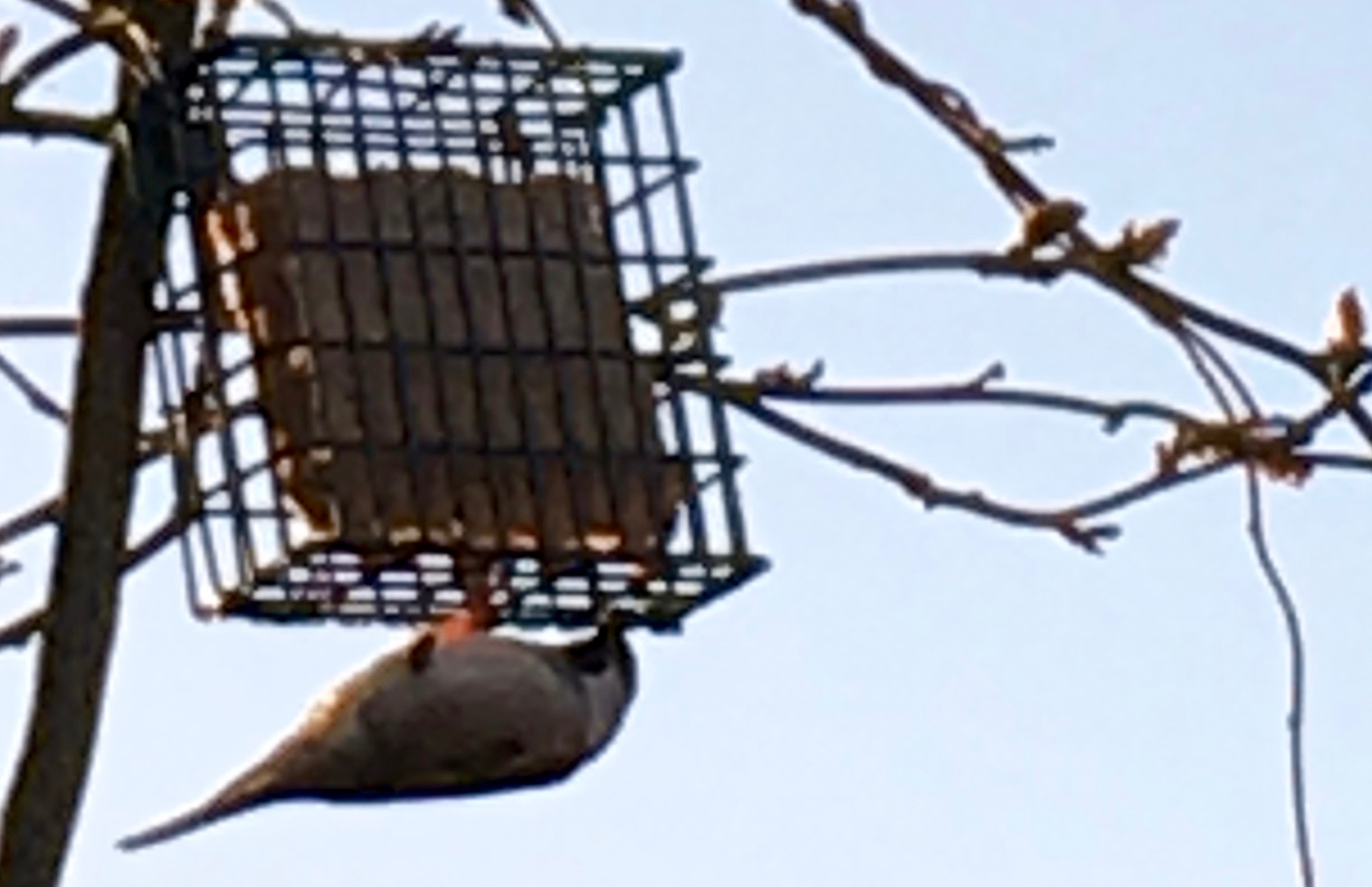
IMG_0379The House Sparrow.  A bright chirp!  and onto the little cage holding the brick of suet, which is attached to the budding wisteria on the upper deck.  Ringside seat.  It’s a chirp-fest and a lot of horsing around on the cage.  Can a bird horse around?  Of course it can.

These birds are aerial artists.  Now there’s four of them out there.  Then Flibb! and they’re gone.  Super quick.  Powerful wings powering up instantly.  They’re back.  Flibb!  They’re gone.  They’re back.

The House Sparrow is one of the harbingers of spring.  Sure it is.  And if somebody, like a child, should ever ask you what kind of bird that is, don’t ever say, “It’s just a sparrow.”  I made that mistake once.  Sparrows will get in your face.  “Whadya mean ‘just’ a sparrow? I’m a sparrow, fool!  House Sparrow!  Don’t forget it!”  Flibb flibb!

IMG_0476That fine piece of art work is gone.  Urban art work?  Is that what it’s called?  It went down with the building.  The piece was at the rear of the building that used to be on the southwest corner of 7th Avenue and Cambie Street, Vcr.  Just another teardown.

I don’t know that much about Ken Foster, only what I’ve seen on the interwebs, but this work reminds me of Rod Filbrandt, the justly celebrated creator of “Wombat”.  You’re not gonna make me explain “Wombat” are ya?

Budding wisteria and suet cage courtesy CS Nicol


Primula

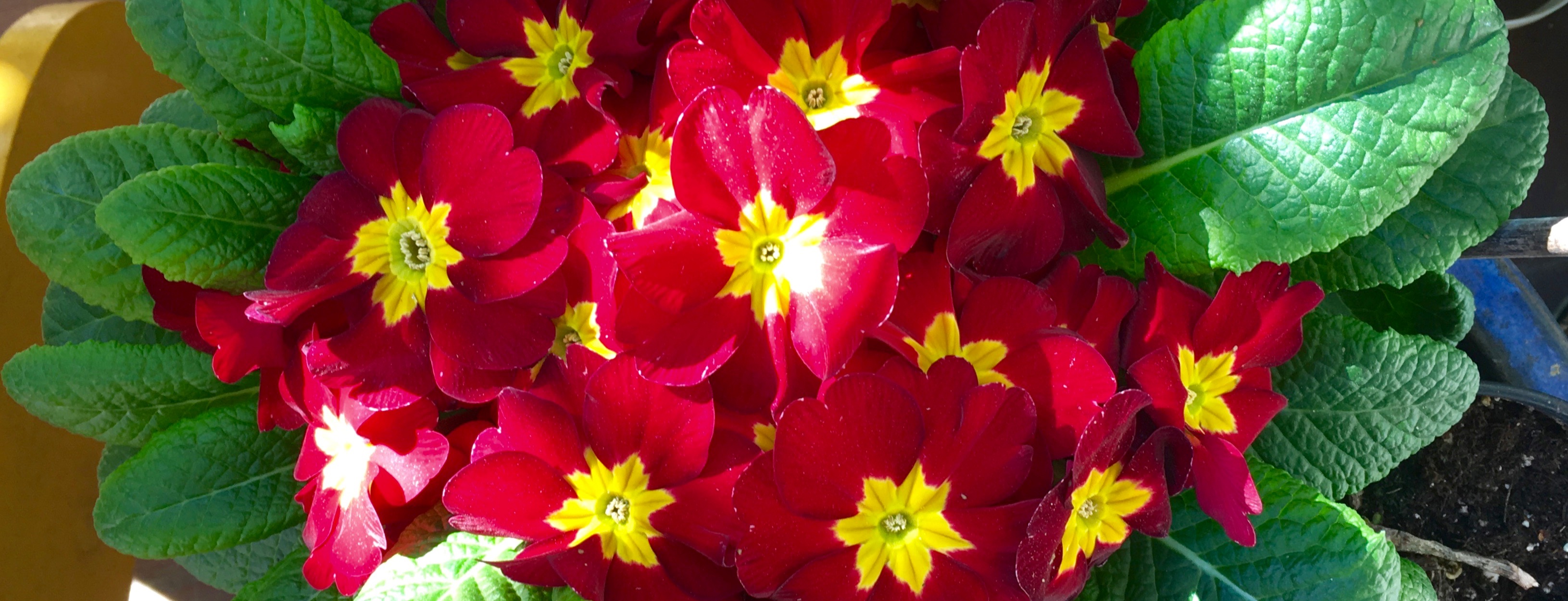
If it wasn’t for me no one would be writing this.  If it’s demonstrably true it must be true.  So glad “Poetry Week” is over.  It’s always a trial, but it’s always good.DSCN0807It’s hardly justice to these beauties, but at least we’re giving them their day.  They were born of the finest flowering of Primulaceae.

It’s just that I didn’t know primulas originated in the Himalayas and environs.  The unimpeachable source is, once again, the “Sunset Western Garden Book” 7th ed.  We’re throwing a lot of books out in this teardown.  And then what do you do with all the National Geographics?

“From Katmandu, at 4,200 feet, the expedition’s route cut across the Himalayan watershed, surmounting passes higher than the Pyrenees and threading forests bright with 40-foot rhododendrons, pastel-tinted primulas, magnolia flowers of snowy white.”

It’s 1953 and the writer is “Brigadier Sir John Hunt, C.B.E., D.S.O”.  The source?  National Geographic.  The president of the United States, Dwight D. Eisenhower, is shaking the hand of Edmund Hillary in the picture at the end of the piece.  John is to the side.  Ed along with “Tenzing Norgay” were the first two human beings to top out on “the massive eminence called Chomolungma, ‘Goddess Mother of the world'”.  Tenzing, my guess is, was back in old Nepal that day.  He’s not in the picture.

Later it was Sir Edmund Hillary.  I had a girlfriend once whose mother I thought looked like Sir Edmund Hillary.  It was sort of my own little private joke.  I definitely would never have told “Hillary” that.  She lived with her mother on Pender Island.  It was a fun few months but it ended.

And the point is?  It’s primulas.  In all their permutations.  If anybody in range of our transmitter has an idea for all these old “Geographics” please let me know.  There’s only about 800 of them.  They’re free along with the piano.

Primula NHWs